
I bought the TriggerPoint GRID foam roller because my left knee has been talking to me for about three years now, and my old roller was a cheap cylinder that had gone soft in the middle. I am 51, I work in logistics, and I train in one half of a two-car garage before work. I do not have time for a 45-minute mobility routine, and I do not have space for a second piece of equipment that just sits in a corner. So when I kept seeing the TriggerPoint name come up, I wanted to know one thing: is it actually worth the price, or is this just the roller that got famous because it costs more?
Six weeks later, I have an answer. It is more complicated than a yes or no, and most of the reviews I read before buying did not cover the parts that matter once you live with the thing. So here is the honest version, including the parts the marketing photos leave out. I put the GRID through 24 sessions over those six weeks, maybe 25 if you count the evening I rolled while Carmen and I watched the end of a movie. I kept a small notebook on the shelf next to the box fan and wrote down how each session felt, because memory lies and a notebook does not.
The Quick Verdict
The TriggerPoint GRID is a well-built, genuinely useful roller that earns its price for people who will actually use it a few times a week. It is not magic, it will not fix a bad knee by itself, and the firmness takes some getting used to. Buy it for the durability and the hollow core, not for the hype.
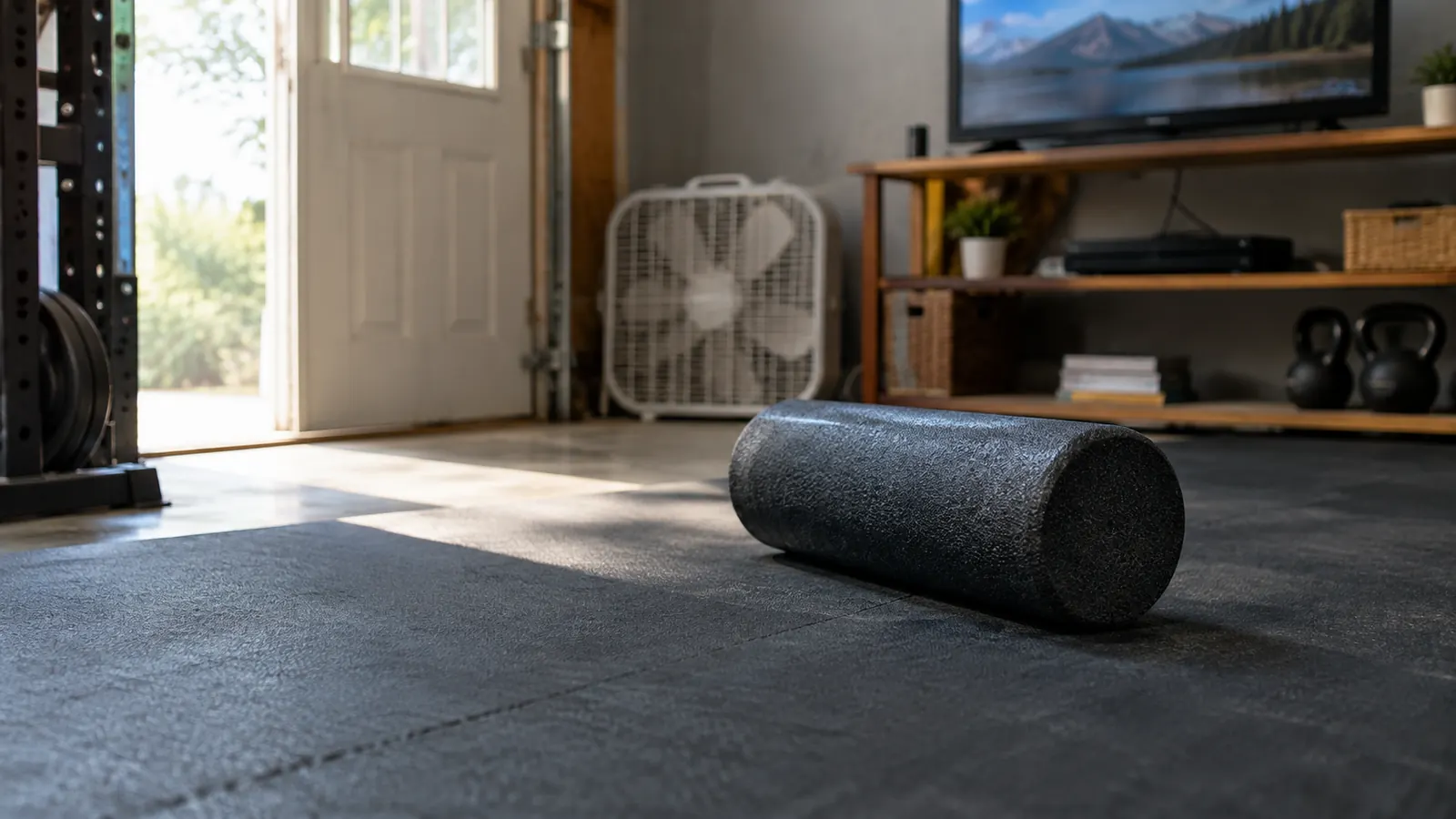
Amazon Check Today's Price →The roller I kept reaching for, six weeks in
If you want a roller that still feels solid after months of use and does not take up half your garage, the TriggerPoint GRID is the one I would buy again. Check today's price on Amazon and see if it fits your setup.
Amazon Check Today's Price on Amazon →How I've Used It
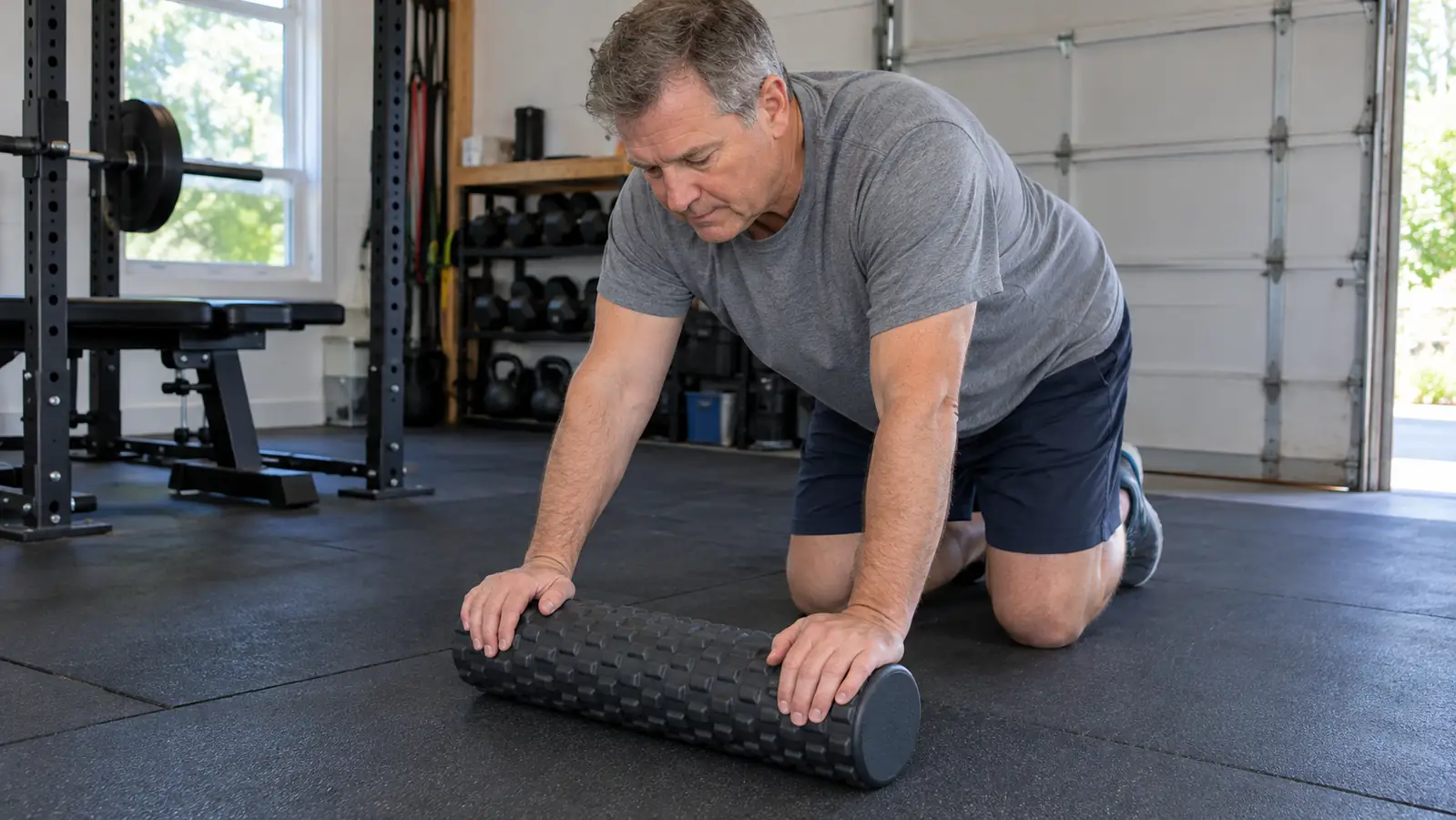
I used the TriggerPoint GRID four mornings a week for six weeks, usually for about 10 minutes after my workout and sometimes in the evening while watching a show with Carmen. The first session was a Tuesday in late March. I had done 20 minutes of kettlebell work and a short row, and my left leg felt like a knot from hip to ankle. I started with the calf because that was the loudest complaint, then worked up through the hamstring and into the glute. I gave each leg about two minutes, which sounds short until you are actually doing it. The first time, I had to stop and breathe through the hamstring. By the fourth session, that same spot was still tender but not angry. I wrote 'less flinching' in the notebook on the second Friday.
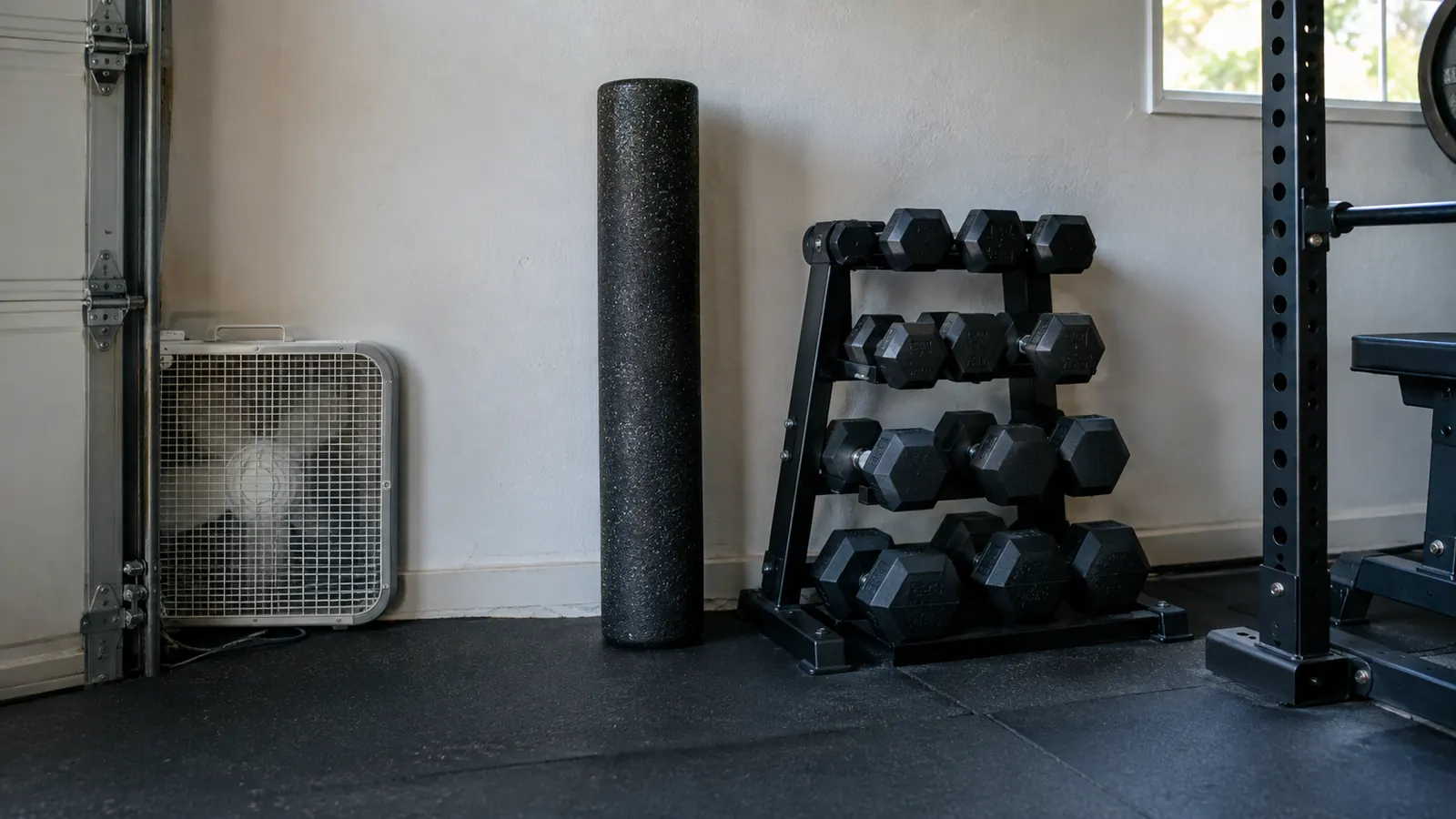
The 13-inch length surprised me at first. I expected something closer to the 36-inch rollers I had used at gyms in the past. The shorter length means you work one leg at a time, and honestly, that turned out to be fine. It is easier to control, and it stores in a corner of the garage without leaning on anything. I also found I could use it on the top of my thighs while sitting on a bench, which I never did with the long roller because it was too much surface at once.
The surface is the big difference. The GRID has a pattern of raised ridges and softer zones, and it is noticeably firmer than the cheap roller I had before. The first week, my hamstrings complained. By week three, I stopped bracing for it. I remember the exact session, a Thursday, when I realized I was not holding my breath anymore. That firmness is the reason the roller still feels like new, but it is also the reason some people will hate it on day one.
What Nobody Tells You Before You Buy
Here is the part I did not find in the reviews. The TriggerPoint GRID is hollow. That is a feature, because it makes the roller lighter and the outer shell can be firmer without weighing a ton. But it also means the roller makes a hollow sound when it drops on a concrete floor, and if you are the kind of person who rolls out at 5:30 in the morning, that sound carries. I learned to set it down instead of dropping it. The first time I dropped it was a Saturday morning. I had just finished a set of step-ups and reached for the roller on the bench. It slipped, hit the rubber mat, and then bounced onto the concrete. The sound was loud enough that Carmen called out from the kitchen to ask if everything was okay. That was the end of dropping it. Now I set it down like it owes me money, and the garage is quieter for it.
The second thing nobody tells you: the firmness is not a mistake, and it is not going to soften up much. The cheap roller I owned before developed a soft spot in the middle after about a year. The TriggerPoint GRID has not changed shape at all in six weeks, and based on how it feels, I do not expect it to. I checked it the way you check a tire. I ran my thumb across the surface in a dozen places and pressed hard. No give. I also compared it in my hand to the old one. It is lighter, which sounds backwards for something firmer, but the hollow core explains it. The old roller weighed about as much as a bag of flour; this one feels dense but not heavy. After six weeks of use and a few accidental drops, the shell still looks the way it did the day it arrived. That is the real argument for the price. You are paying for a roller that will still be a roller in three years.
The third thing: it does not fix a knee. I want to be very clear about this, because I see a lot of reviews that imply otherwise. Rolling out my quads and hamstrings made my knee feel better on some days, and it made me more aware of how tight my left leg was compared to my right. One Tuesday I skipped the roller and went straight from the garage to the shower. That afternoon my knee ached more than it had in weeks. It was not proof of anything, but it was enough to make me keep the roller in the routine. Still, the knee acts up when I do too much, like the morning I added a third set of lunges and regretted it by noon. The roller is a tool, not a treatment.
The real argument for the price is simple: you are paying for a roller that will still be a roller in three years.
The Build Quality, Up Close
I have owned enough gym gear to know where companies cut corners. The TriggerPoint GRID does not cut them. The outer shell is a dense, textured material that has not peeled, cracked, or flattened. The end caps are solid and have not loosened. I checked them on the first day and again at the end of week six. They are still flush with the shell. I gave the roller a hard twist, the way you would test a loose lug nut, and nothing moved. The texture on the surface is not printed on. It is molded into the material, so there is nothing to peel off. I know because I spent one evening picking at a spot where the roller had scraped against the edge of the dumbbell rack. The mark is still there, but it is a surface scuff, not a tear. The whole thing feels like a piece of equipment, not a toy.
I also appreciate that it does not absorb sweat and smell. My old roller had a foam surface that soaked up moisture and eventually smelled like a gym bag. The GRID surface wipes clean with a damp cloth, and after six weeks of use in a garage that gets warm in the afternoon, it still smells like nothing. The garage in San Jose gets hot by early afternoon, and in summer it is an oven even with the door cracked. I have left the roller on the shelf next to the box fan after a sweaty session and come back to it the next morning. A quick wipe with a wet rag and it is ready to go again. My old roller would have held that smell for a week. I cannot say the same for the mat under it, but the roller itself is easy to live with.
The 13-inch length is worth an honest word too. If you are used to a long roller, the adjustment takes a few sessions. You cannot do the classic full-body move where you lie across the roller with your whole spine supported. You work in smaller sections. I found that easier on my back, because I could control the pressure more precisely, but it is a real difference from what you might expect. The first time I tried to roll my entire back at once, I ended up with my head on the concrete and the roller somewhere around my ribs. After that I switched to one side at a time, and it worked better. The shorter length also makes it easier to target one side. When my left leg is tighter, I can spend an extra minute on that side without dragging the roller across the other leg.
Where It Falls Short
The firmness is the main con, and I do not want to bury it. If you are new to rolling, or if you have a low pain tolerance, the TriggerPoint GRID will be uncomfortable at first. My wife Carmen tried it once and said it felt like rolling on a frozen water bottle. She went back to the soft roller we keep for travel. I handed it to her on a Sunday morning after she mentioned her lower back was sore from planting tomatoes. She gave it one pass down her back, made a noise I have not heard since the dentist, and handed it back. The soft roller we keep for travel lives under the bathroom sink. I do not blame her. The GRID is not subtle. If you are buying this for a partner who has never rolled before, plan for them to hate it at first. Give it a few sessions before you judge, but also give them the option to use something softer. That is not a defect in the product, but it is a real consideration if you are buying for a household with different tolerances.
The price is the other con. The TriggerPoint GRID costs more than a basic roller, and if you only roll once a month, you will not get your money's worth. I looked at the price tag twice before I bought it, and I understand why people hesitate. A basic roller costs a fraction of the GRID, and for the first week I was not sure the extra money bought anything I could feel. By week four, I was sure of one thing: the cheap roller I replaced had already started to soften in the middle, and the GRID had not changed at all. That is the math that matters. If you roll twice a week for two years, the cost per session gets small fast. If you roll twice a month, it does not. I also think the marketing oversells the science. The multi-density surface is nice, but I did not notice a dramatic difference between the GRID and a good firm roller. The difference is durability and feel, not magic.
What I Liked
- Hollow core keeps it light enough to carry around the garage
- Firm, textured surface has not flattened or peeled in six weeks
- Easy to wipe clean, no lingering smell
- 13-inch length stores easily and works well for one-leg-at-a-time rolling
- Solid end caps that do not loosen
Where It Falls Short
- Firmness is a shock if you are new to rolling
- Hollow body makes a loud sound if you drop it on a hard floor
- Costs more than a basic roller, and the price only makes sense if you use it regularly
- Shorter length means no full-spine supported rolling
Who This Is For
The TriggerPoint GRID is for someone who trains a few times a week and wants one piece of recovery gear that will last. It is for the person who is tired of replacing cheap rollers, who wants something that stores in a corner, and who does not mind a firm surface once they get used to it. If you are that person, the price starts to make sense pretty quickly. I would also say it is for someone who trains alone in a small space, because the 13-inch length fits on a shelf and does not argue with you about where it lives. The roller does not need batteries, does not need charging, and does not have a phone app. You pick it up, you use it, you put it back. For someone whose gym time is already squeezed between work and breakfast, that simplicity is the point.
Who Should Skip It
Skip it if you are brand new to foam rolling and not sure you will stick with it. Start with a softer, cheaper roller and see if the habit forms. Skip it if you want a roller for full-body supported stretching, because the 13-inch length will frustrate you. And skip it if you expect a roller to fix an injury. It will not. It is a tool that helps you recover, not a substitute for medical advice. If you already have a roller that is still firm, you do not need this one. Upgrade when the old one starts to soften, not before. And if you are the kind of person who buys gear to motivate yourself to train more, save the money. The roller will not make you train. It only makes the training you already do feel a little less tight.
Still worth it after six weeks? Yes, for the right person
The TriggerPoint GRID is not for everyone, but if you roll a few times a week and want a roller that will outlast the habit, it earns its price. See today's price on Amazon and decide for yourself.
Amazon Check Today's Price on Amazon →